
When Should I See a Podiatrist for Heel Pain? Understanding Your Symptoms
Heel pain can range from a morning nuisance to a debilitating condition. Learn the signs of plantar fasciitis, when home remedies aren't enough, and how professional podiatric care can restore your mobility and comfort.
That first step out of bed shouldn't feel like stepping on a sharp pebble or a hot coal. If you find yourself limping through your morning routine or dreading the walk from your car to the office, your body is sending a clear signal that your foundation needs professional attention.
What's actually happening
Heel pain is rarely just a localized ache; it is typically a sign of mechanical stress or structural inflammation within the foot's complex architecture. The most common culprit is plantar fasciitis, an inflammation of the thick band of tissue that connects your heel bone to your toes. When this tissue is overstretched or suffers microscopic tears, it becomes inflamed and painful.
However, the heel is a crossroads of several structures. Pain can also stem from the Achilles tendon inserting into the back of the heel, or from the thinning of the protective fat pad that cushions the calcaneus (heel bone). In some cases, the pain is caused by a stress fracture or the compression of a small nerve, known as Tarsal Tunnel Syndrome. Understanding the specific anatomy involved is the first step toward lasting relief.
Signs and symptoms to watch for
Identifying the specific nature of your discomfort helps narrow down the cause. Watch for these common indicators:
- Morning Stiffness: Intense, stabbing pain during your very first steps after waking up.
- Post-Rest Flare-ups: Pain that returns after sitting for a long period and then standing up.
- Activity-Related Ache: Pain that feels better during exercise but worsens significantly once you stop and cool down.
- Swelling or Redness: Visible inflammation around the base or back of the heel.
- Numbness or Tingling: Sensations that radiate into the arch or toes, suggesting nerve involvement.
Causes and risk factors
Heel pain doesn't happen in a vacuum; it is often the result of repetitive stress or sudden changes in your physical environment. Common risk factors include:
- Biomechanical Issues: Having very high arches or flat feet (overpronation) changes how weight is distributed across the foot.
- Improper Footwear: Wearing shoes that lack adequate arch support or cushioning, especially on hard surfaces.
- Sudden Activity Increases: Ramping up a running program or starting a job that requires standing all day.
- Weight and Age: Increased pressure on the feet from weight gain, or the natural thinning of the heel's fat pad as we age.
Key Takeaway: Heel pain is not a normal part of aging or an active lifestyle; it is a treatable medical condition that often worsens if the underlying mechanical cause is ignored.
How it's diagnosed
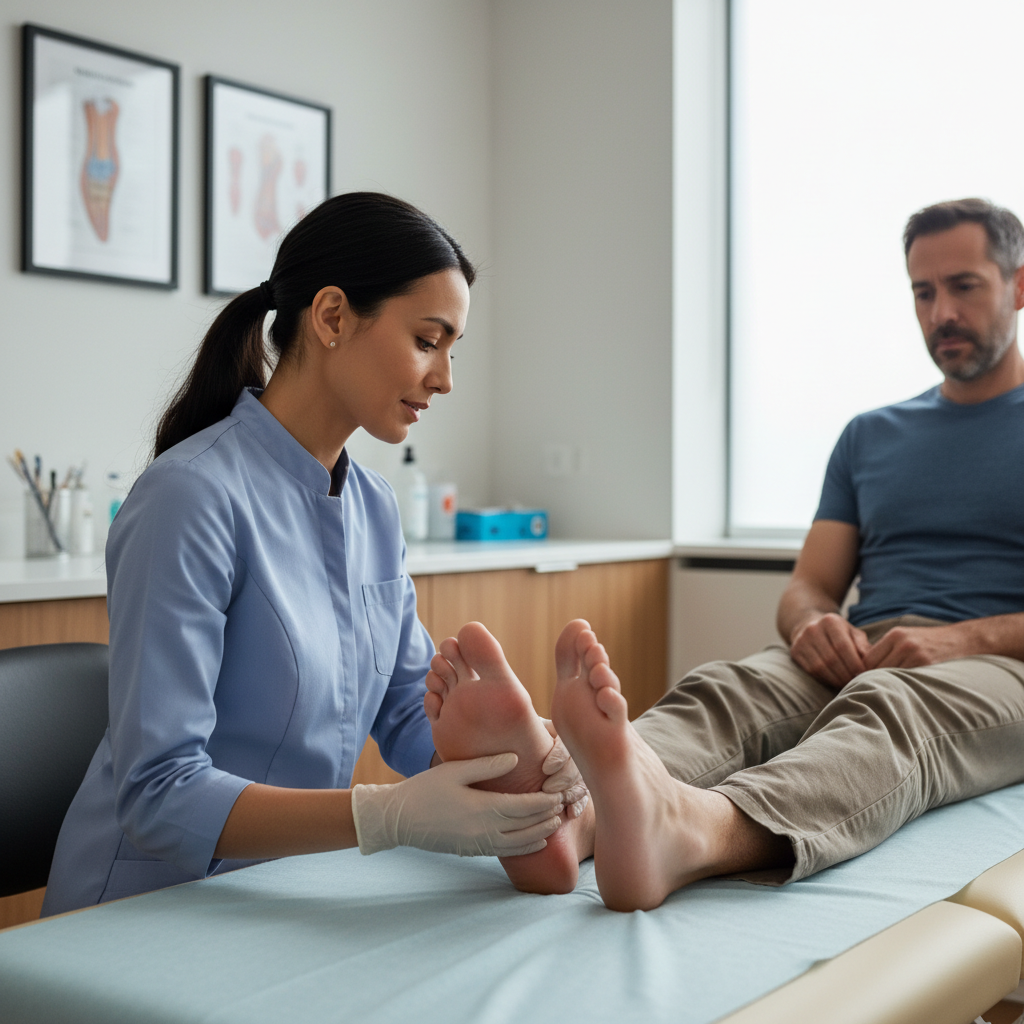
A professional diagnosis begins with a physical examination and a review of your medical history. A podiatrist will check for areas of tenderness, evaluate your gait (the way you walk), and test your foot's range of motion. To rule out stress fractures or bone spurs, imaging such as X-rays or ultrasound may be utilized. Ultrasound is particularly helpful for measuring the thickness of the plantar fascia, which serves as a direct indicator of chronic inflammation.
Treatment options
Conservative care
Most cases of heel pain respond well to non-invasive treatments. This often includes a combination of stretching exercises for the calf and plantar fascia, the use of orthotic inserts to correct structural imbalances, and temporary activity modification. Over-the-counter anti-inflammatory medications and icing protocols are also standard first-line defenses to manage acute symptoms.
Advanced/minimally invasive options
If conservative measures don't provide sufficient relief, advanced therapies can accelerate healing. Extracorporeal Shockwave Therapy (ESWT) uses sound waves to stimulate blood flow and trigger a healing response in chronic tissue. Additionally, corticosteroid injections or regenerative medicine injections may be used to reduce severe inflammation and promote tissue repair without the need for an operating room.
Surgical options
Surgery is considered a last resort, reserved for patients who have not found relief after months of consistent conservative treatment. Procedures may include a plantar fascia release, where a portion of the ligament is cut to relieve tension, or the removal of a problematic bone spur. Many of these procedures can now be performed using minimally invasive techniques, resulting in smaller incisions and faster recovery times.
Recovery and what to expect
Recovery from heel pain is rarely an overnight process. For those following a conservative treatment plan, significant improvement is typically seen within 4 to 8 weeks. However, chronic cases that require advanced interventions may take longer to fully resolve. Consistency is the most important factor in recovery; skipping your stretches or wearing unsupportive shoes for even one day can set back your progress. A realistic timeline involves a gradual return to high-impact activities while monitoring for any return of symptoms.
Prevention and self-care tips
- Replace Athletic Shoes Regularly: Most running shoes lose their supportive properties after 300–500 miles.
- Stretch Daily: Keep your calves and Achilles tendons flexible to reduce the pull on your heel bone.
- Avoid Going Barefoot: Even at home, wear supportive slippers or indoor shoes to provide constant cushioning.
- Maintain a Healthy Weight: Reducing the load on your feet significantly lowers the strain on the plantar fascia.
- Warm Up Properly: Never jump straight into intense exercise without a dynamic warm-up for your lower limbs.
When to see a podiatrist
While minor aches may resolve with rest, you should schedule a consultation if you experience:
- Pain that persists for more than two to three weeks despite rest and icing.
- Severe pain that makes it impossible to walk normally or perform daily tasks.
- Pain that is present even when you are not standing or bearing weight.
- Visible swelling, heat, or redness in the heel area.
- Numbness, tingling, or a "pins and needles" sensation in the foot.