
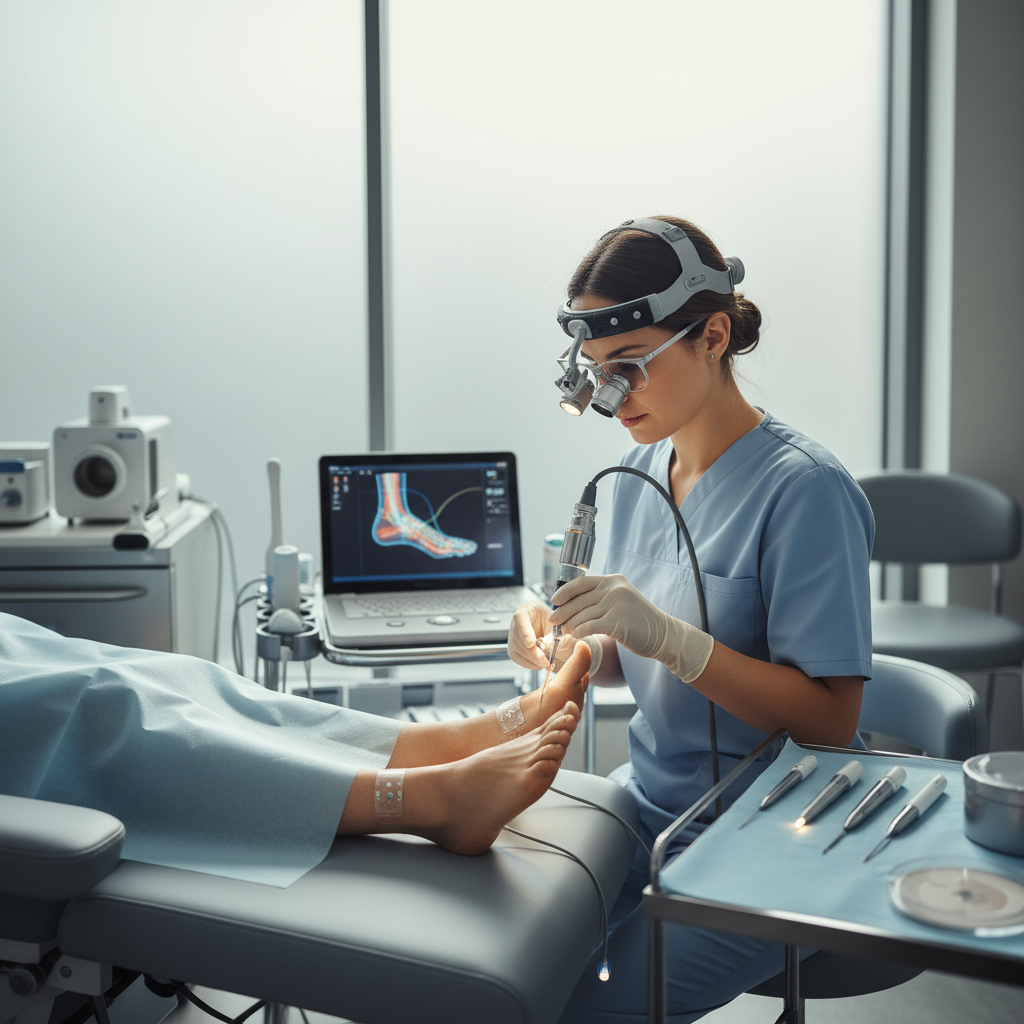
The Future of Foot Care: Minimally Invasive Technology and Advanced Podiatric Devices
Discover how modern podiatry is evolving with minimally invasive surgical techniques and state-of-the-art diagnostic devices that prioritize faster recovery, smaller incisions, and superior patient outcomes for common foot and ankle conditions.
That sharp, persistent pain in your heel or the progressive tilt of a bunion no longer necessitates the long, arduous recovery periods once associated with traditional foot surgery. Today, the landscape of podiatric medicine is being redefined by precision technology and micro-incisions that allow you to get back on your feet faster than ever before.
What's actually happening
In the past, correcting structural issues in the foot often required large incisions to provide the surgeon with a full view of the bone and soft tissue. Modern podiatry has shifted toward minimally invasive surgery (MIS) and advanced biomechanical devices. This approach utilizes specialized tools, such as high-torque micro-burrs and fiber-optic cameras, to perform complex corrections through openings no larger than a few millimeters. By minimizing the disruption to the surrounding skin, nerves, and blood vessels, the body's natural healing environment remains largely intact.
Signs and symptoms to watch for
Technological advancements are often sought when conservative measures fail to address the following issues:
- Persistent localized pain that worsens with activity.
- Visible deformities, such as a protruding bone at the base of the big toe.
- Chronic swelling that does not respond to rest or elevation.
- Difficulty fitting into standard footwear due to structural changes.
- Nerve-related sensations like tingling or 'electric shocks' in the forefoot.
Causes and risk factors
Foot conditions requiring advanced intervention often stem from a combination of genetics and lifestyle. Common factors include:
- Biomechanical Instability: Inherited foot types, like flat feet or high arches, that put undue stress on specific joints.
- Repetitive Trauma: High-impact sports or occupations that require standing for long durations.
- Improper Footwear: Years of wearing narrow or unsupportive shoes that exacerbate structural shifts.
- Systemic Health: Conditions like diabetes or rheumatoid arthritis that affect tissue integrity and bone density.
How it's diagnosed
Modern diagnosis goes beyond a simple physical exam. Podiatrists now utilize digital radiography for high-resolution imaging with lower radiation exposure. In many cases, diagnostic ultrasound is used in real-time to visualize soft tissue injuries, such as plantar fascia tears or neuromas, without the need for an MRI. Computerized gait analysis may also be employed to map pressure distribution as you walk, identifying the exact mechanical failures causing your discomfort.
Key Takeaway: Minimally invasive technology aims to correct the root cause of foot pain with significantly less trauma to the body, often resulting in less post-operative pain and a quicker return to daily life.
Treatment options
Conservative care
Before moving to high-tech surgical interventions, advanced conservative tools are utilized. This includes 3D-printed custom orthotics which are designed from a digital scan of your foot to provide millimeter-precise support. Shockwave therapy (ESWT) is another non-invasive device-based treatment that uses acoustic pulses to stimulate healing in chronic tendon injuries.
Advanced/minimally invasive options
For conditions like bunions or hammertoes, minimally invasive surgery is the gold standard of modern care. Using a 'keyhole' technique, surgeons can realign bones using micro-tools guided by real-time X-ray imaging (fluoroscopy). This eliminates the need for large scars and reduces the risk of stiffness in the joints. Additionally, laser therapy is frequently used for fungal nail infections or soft tissue inflammation, providing a painless alternative to oral medications.
Surgical options
When structural damage is extensive, such as in severe ankle arthritis or complex fractures, advanced fixation devices are used. Modern surgery utilizes titanium plates and screws designed specifically for the unique anatomy of the foot. In some cases, regenerative medicine 'scaffolds' or amniotic tissue grafts are used during surgery to accelerate the repair of damaged tendons and ligaments.
Recovery and what to expect
Because modern techniques prioritize tissue preservation, the recovery timeline is often compressed. For many minimally invasive procedures, patients are 'weight-bearing' in a specialized boot almost immediately.
- Weeks 1-2: Focus on site protection and reducing minor swelling; most patients report significantly less pain than traditional surgery.
- Weeks 3-6: Gradual transition back into supportive athletic shoes.
- Months 3+: Full return to high-impact activities like running or jumping. While every patient is unique, the reduction in scar tissue typically leads to better long-term mobility and a more aesthetic result.
Prevention and self-care tips
- Invest in technology for your shoes: Use high-quality, moisture-wicking materials and replace worn-out sneakers every 300-500 miles.
- Monitor your gait: Pay attention to uneven wear patterns on the soles of your shoes, which indicate mechanical imbalances.
- Early Intervention: Address minor aches with stretching and icing before they require surgical technology.
- Weight Management: Reducing total body load significantly decreases the stress on the small joints of the feet.
When to see a podiatrist
- If you have a foot deformity that is becoming increasingly painful or rigid.
- If you experience numbness or tingling that persists for more than a few days.
- When conservative treatments like icing and over-the-counter inserts provide no relief.
- If you have a wound or sore on your foot that is slow to heal.
- Before starting a new high-impact exercise regimen if you have a history of foot issues.