
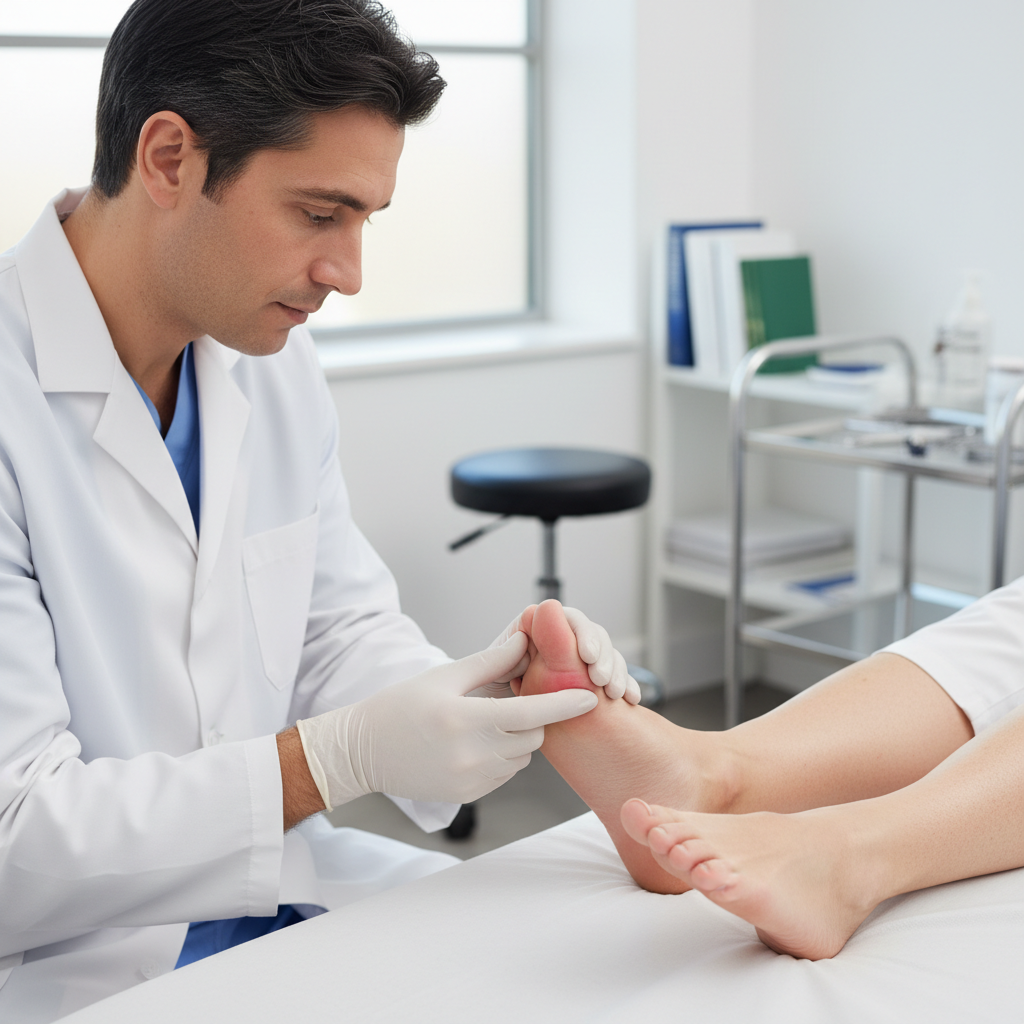
Is It Gout or Arthritis? How to Identify the Source of Your Foot Pain
Waking up with a throbbing, red, and swollen foot can be alarming. Learn how to distinguish between a sudden gout flare-up and the progressive symptoms of osteoarthritis or rheumatoid arthritis to get the right treatment.
That sudden, white-hot throbbing in your big toe that feels like your foot is on fire might be more than just a simple ache. While both gout and various forms of arthritis cause debilitating joint pain, understanding the nuances between a metabolic flare-up and degenerative wear-and-tear is the first step toward reclaiming your mobility.
What's actually happening
At its core, gout is a specific type of inflammatory arthritis triggered by the crystallization of uric acid within the joint space. When your body produces too much uric acid or your kidneys fail to excrete enough of it, these needle-like crystals deposit in the joint, causing an intense immune response. It is essentially a chemical reaction that leads to physical trauma inside the joint capsule.
In contrast, osteoarthritis (OA) is a degenerative process where the protective cartilage that cushions the ends of your bones wears down over time. Without this shock absorber, bone rubs against bone, leading to chronic inflammation and structural changes. Rheumatoid arthritis (RA) is different still; it is an autoimmune disorder where your immune system mistakenly attacks the synovium—the lining of the membranes that surround your joints.
Key Takeaway: Gout is a metabolic event characterized by sudden crystal formation, while most other forms of arthritis involve long-term structural breakdown or systemic autoimmune activity.
Signs and symptoms to watch for
Identifying the specific characteristics of your pain can help differentiate these conditions. Look for these specific indicators:
- Sudden Onset: Gout often strikes in the middle of the night with maximum intensity reached within 12 to 24 hours.
- Extreme Tenderness: With gout, even the weight of a bedsheet can be unbearable; typical arthritis is usually less sensitive to light touch.
- Redness and Warmth: Gout joints often appear shiny, bright red, or purple and feel hot to the touch.
- Joint Distribution: Gout most commonly affects the hallux (big toe), while osteoarthritis frequently targets the midfoot or the ankle.
- Symmetry: Rheumatoid arthritis often affects the same joints on both feet simultaneously, whereas gout is typically unilateral (one side at a time).
Causes and risk factors
According to the National Institute of Arthritis and Musculoskeletal and Skin Diseases (NIAMS), the risk factors for these conditions diverge significantly. Gout is heavily influenced by diet and metabolic health, including the consumption of purine-rich foods like red meat, organ meats, and certain seafood, as well as alcohol and sugary drinks. Obesity, hypertension, and kidney disease also play major roles.
Osteoarthritis is primarily driven by age, previous joint injuries (such as an old sports fracture), and mechanical stress from poor foot alignment. Rheumatoid arthritis is linked to genetics and environmental triggers that activate the immune system. While you cannot change your genetics, managing your weight and wearing supportive footwear can mitigate the progression of degenerative arthritis.
How it's diagnosed
Pinpointing the cause of foot pain requires a multi-faceted clinical approach. A podiatrist will typically use the following methods:
- Joint Fluid Analysis: This is the gold standard for gout diagnosis. A small needle is used to draw fluid from the inflamed joint to look for uric acid crystals under a microscope.
- Blood Tests: Measuring serum uric acid levels can support a gout diagnosis, though levels can sometimes appear normal during an active flare.
- Imaging: X-rays are excellent for spotting the bone-on-bone narrowing of osteoarthritis or the "punched-out" bone erosions characteristic of chronic gout.
- Ultrasound or CT Scans: Advanced imaging can detect urate crystals or early signs of joint lining inflammation that X-rays might miss.
Treatment options
Conservative care
For acute gout, the immediate goal is reducing inflammation using NSAIDs, colchicine, or corticosteroids. For osteoarthritis, conservative care focuses on offloading the joint. This includes custom orthotics to correct gait mechanics, physical therapy to strengthen supporting muscles, and lifestyle modifications to reduce systemic inflammation.
Advanced/minimally invasive options
When oral medications aren't enough, localized corticosteroid injections can provide rapid relief for both gout and arthritic flares. Hyaluronic acid injections may be used in cases of osteoarthritis to provide lubrication to the joint, acting as a synthetic substitute for lost synovial fluid.
Surgical options
If joint destruction is severe, surgical intervention may be necessary. This can range from a cheilectomy (removing bone spurs) to a joint fusion (arthrodesis), which eliminates painful motion in a damaged joint. In some cases, joint replacement (arthroplasty) may be considered for the ankle or the base of the big toe to maintain mobility while eliminating pain.
Recovery and what to expect
A gout flare-up typically resolves within 7 to 10 days with proper treatment, though the underlying metabolic issue requires lifelong management to prevent recurrence. Osteoarthritis recovery is more about management than a "cure." Patients using custom orthotics or physical therapy often see significant improvement in comfort within 4 to 6 weeks. If surgery is required, recovery timelines vary; a joint fusion may require 6 to 12 weeks of non-weight bearing to allow the bone to heal completely.
Prevention and self-care tips
- Hydrate Constantly: Water helps the kidneys flush uric acid from the bloodstream.
- Monitor Purine Intake: Limit high-purine foods like shellfish and red meat if you are prone to gout.
- Weight Management: Every pound lost reduces the pressure on your foot joints by fourfold.
- Wear Supportive Shoes: Avoid flat, unsupportive footwear that exacerbates joint misalignment.
- Low-Impact Exercise: Swimming or cycling keeps joints mobile without the repetitive impact of running.
When to see a podiatrist
- You experience sudden, intense joint pain that wakes you up at night.
- The skin over a joint is red, hot, and swollen.
- You have a fever accompanying your joint pain (this can indicate an infection).
- Chronic stiffness in the morning lasts longer than 30 minutes.
- Your foot pain is preventing you from performing daily activities or exercise.