
How is Hammertoe Corrected Without Surgery? Effective Non-Surgical Options
Discover how to manage hammertoe discomfort and prevent progression without surgery. Learn about orthotics, stretching, and lifestyle changes to keep your feet healthy and mobile under the guidance of Dr. Andrew N. Eskander, DPM.
That stiff, painful bend in your toe might start as a minor annoyance, but it can quickly transform into a persistent ache that dictates what shoes you wear and how far you can walk. While many assume that a crooked toe inevitably leads to the operating table, there are numerous effective ways to manage and stabilize hammertoes without surgical intervention.
What's actually happening
A hammertoe is a contracture or deformity that occurs when the muscles, tendons, or ligaments that normally hold the toe straight become imbalanced. This imbalance causes the middle joint of the second, third, or fourth toe to bend downward, resembling the head of a hammer. According to the American College of Foot and Ankle Surgeons, this condition often begins as a flexible deformity that can be manually straightened, but over time, the soft tissues can tighten, causing the joint to become fixed in a bent position.
Signs and symptoms to watch for
Identifying a hammertoe early is crucial for successful non-surgical management. Look for these common indicators:
- A visible bend in the middle joint of a toe.
- Pain or irritation at the top of the bent toe when wearing shoes.
- The formation of corns or calluses on the top of the joint or the tip of the toe.
- Inflammation, redness, or a burning sensation in the affected area.
- Difficulty moving the toe joint comfortably.
Causes and risk factors
The development of a hammertoe is rarely caused by a single factor. Instead, it is often a combination of genetics and lifestyle choices. Common contributors include:
- Improper Footwear: High heels or shoes with a narrow toe box squeeze the toes into a flexed position.
- Trauma: A stubbed, jammed, or broken toe can increase the likelihood of a deformity developing later.
- Foot Structure: People with very high arches or flat feet are more prone to muscle imbalances.
- Medical Conditions: Arthritis and diabetes can affect the nerves and muscles in the feet, leading to contractures.
How it's diagnosed
Diagnosing a hammertoe is typically straightforward and involves a physical examination. During your visit, the podiatrist will manipulate the toe to determine if the joint is still flexible or if it has become rigid. Weight-bearing X-rays are often taken to assess the severity of the deformity and to check for underlying bone changes or inflammatory arthritis that might be contributing to the pain.
Treatment options
Conservative care
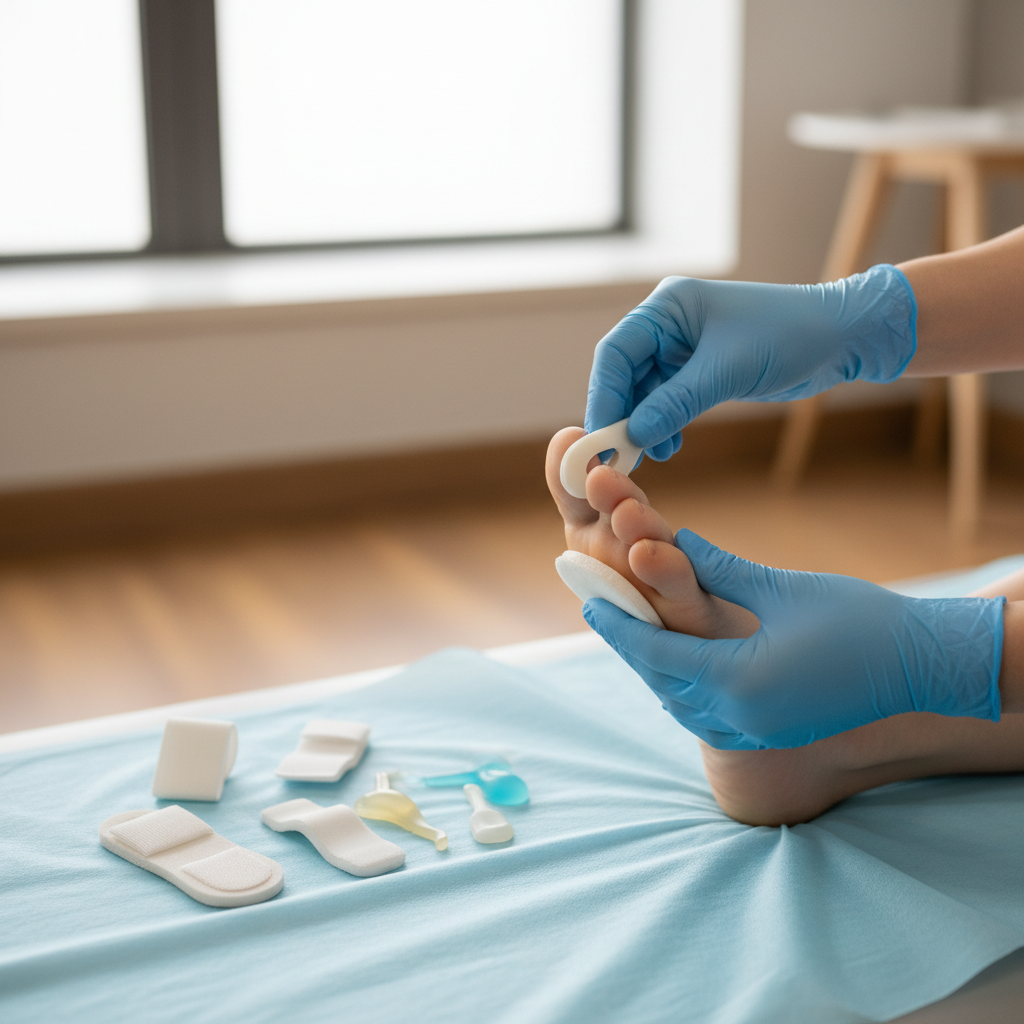
The primary goal of non-surgical treatment is to relieve pressure and realign the forces acting on the toe. This often begins with changing your footwear to styles with a deep, wide toe box to prevent friction. Over-the-counter padding, such as silicone sleeves or felt pads, can shield the prominent joint from painful rubbing against the shoe. Additionally, toe spacers or crest pads can help hold the toe in a more natural position during daily activities.
Advanced/minimally invasive options
Custom orthotics are one of the most effective non-surgical tools available. Unlike generic inserts, custom orthotics are molded to your unique foot shape to correct the biomechanical imbalances—like overpronation—that cause the muscles to pull the toe into a hammer shape. In some cases, corticosteroid injections may be used to reduce acute inflammation and pain in the joint capsule, though these do not fix the physical bend itself.
Key Takeaway: While non-surgical treatments cannot "reverse" a bony deformity, they are highly effective at eliminating pain, preventing corns, and stopping the toe from becoming permanently rigid.
Recovery and what to expect
When treating hammertoes conservatively, "recovery" is defined by the reduction of symptoms and the stabilization of the joint. Most patients begin to feel significant relief within 2 to 4 weeks of switching to appropriate footwear and using custom orthotics. However, these treatments are ongoing management strategies rather than one-time fixes. If you return to wearing tight, narrow shoes, the symptoms and the deformity will likely progress.
Prevention and self-care tips
- Shop for shoes in the afternoon: Your feet swell throughout the day, so buying shoes when they are at their largest ensures a better fit.
- Perform toe exercises: Use your toes to pick up marbles or scrunch a towel on the floor to strengthen the intrinsic muscles.
- Check for corns: Gently use a pumice stone on calluses after a shower to prevent them from becoming thick and painful.
- Stretch your calves: Tight calf muscles can increase pressure on the forefoot, worsening toe contractures.
When to see a podiatrist
If you notice your toe is changing shape, it is best to seek professional advice before the joint becomes stiff. You should schedule an appointment if you experience:
- Pain that interferes with your daily exercise or work routine.
- The development of an open sore (ulcer) on the toe, especially if you have diabetes.
- A toe joint that feels completely stuck and cannot be straightened manually.
- Signs of infection, such as increased warmth, swelling, or drainage.
- Numbness or tingling in the affected toe.