
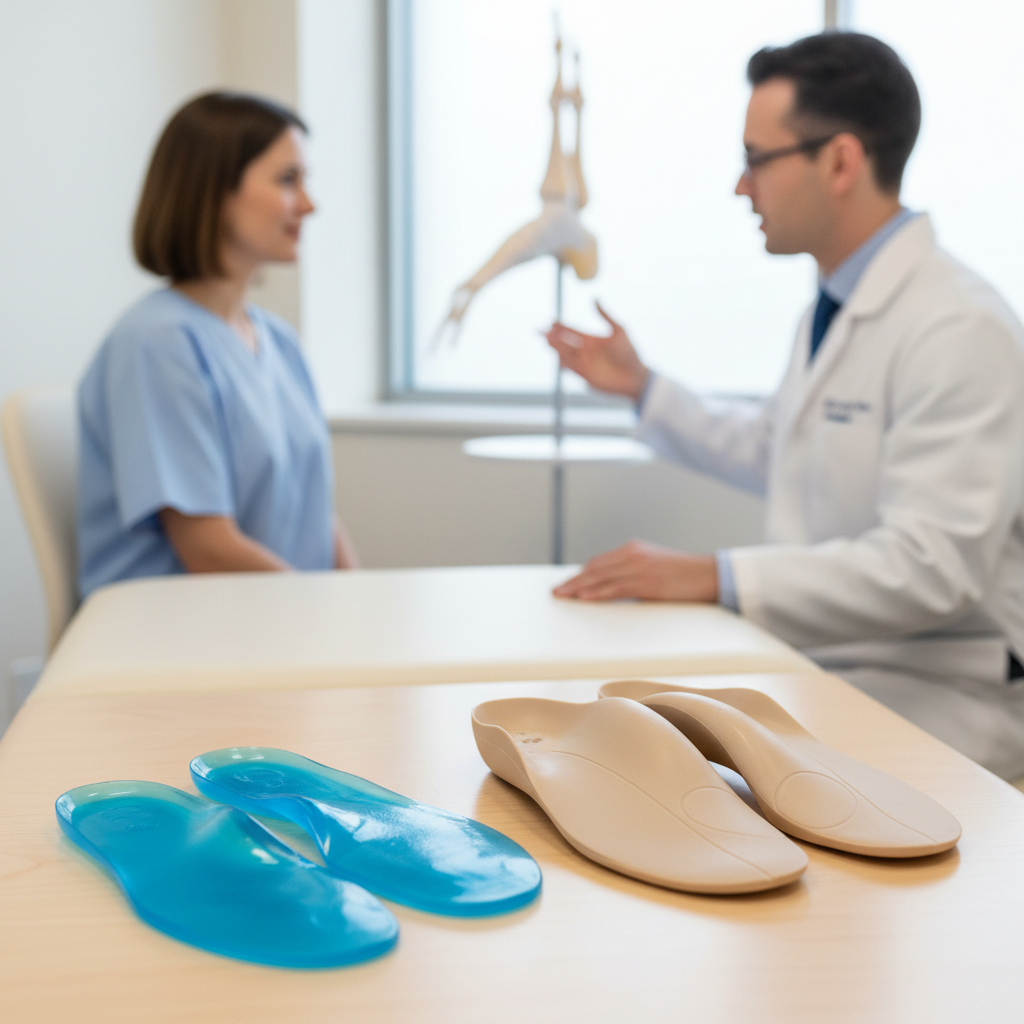
Gel Inserts vs. Custom Orthotics: Why Your Feet Deserve More Than a Quick Fix
Discover the critical differences between over-the-counter gel inserts and medical-grade custom orthotics. Learn how personalized biomechanical support can resolve chronic foot pain, improve posture, and prevent long-term injury compared to retail insoles.
Walking on a cloud sounds like a dream, but if that 'cloud' is a squishy gel insert from a drugstore, your feet might actually be drowning in a lack of support. While these soft cushions offer temporary relief for tired soles, they often mask underlying structural issues rather than fixing them.
What's actually happening
To understand the difference between retail inserts and custom orthotics, you have to look at the biomechanics of the foot. A gel insert is essentially a shock absorber; it reduces the immediate impact of your heel hitting the pavement. However, it does nothing to control the motion of the 26 bones and 33 joints in your foot.
Custom orthotics, on the other hand, are functional medical devices. They are engineered to correct abnormal foot function, such as overpronation (rolling inward) or supination (rolling outward). While a gel pad simply compresses under your weight, a custom orthotic uses rigid or semi-rigid materials to realign the foot into a neutral position, distributing pressure evenly across the entire plantar surface.
Signs and symptoms to watch for
If you are relying on store-bought inserts but still experiencing discomfort, your feet may be signaling a need for professional intervention. Watch for these indicators:
- Sharp, stabbing pain in the heel (often associated with plantar fasciitis).
- A dull ache in the arches that worsens after long periods of standing.
- Uneven wear patterns on the soles of your favorite shoes.
- Frequent swelling in the ankles or localized 'hot spots' on the ball of the foot.
- Lower back, hip, or knee pain that seems to fluctuate with your activity levels.
Causes and risk factors
Not everyone requires custom intervention, but certain factors make gel inserts an insufficient solution. High-impact athletes, individuals with diabetes, and those with structural abnormalities like flat feet (pes planus) or high arches (pes cavus) are at higher risk for complications if they use generic insoles.
Age also plays a role as the natural fat pads on the bottom of our feet thin out over time. Furthermore, occupations that require standing on hard surfaces—like nursing, teaching, or construction—put immense mechanical stress on the soft tissues. In these cases, a 'one-size-fits-all' gel cushion cannot provide the specific arch height or heel cupping necessary to prevent tissue fatigue.
How it's diagnosed
Determining if you need custom orthotics involves more than just standing on a retail pressure mat. A podiatrist performs a comprehensive gait analysis to see how your feet move in motion. This process typically includes:
- Biomechanical Assessment: Measuring the range of motion in your joints.
- Gait Observation: Analyzing your stride to identify timing issues or compensations.
- 3D Imaging or Casting: Creating a precise anatomical map of your foot in its corrected position.
Key Takeaway: Gel inserts provide comfort, but custom orthotics provide correction. Think of inserts like non-prescription reading glasses and orthotics like a custom-ground prescription for your unique vision.
Treatment options
Conservative care
For mild fatigue, over-the-counter (OTC) inserts can be a starting point. These are best used for temporary comfort in shoes that lack cushioning. Physical therapy and stretching exercises for the Achilles tendon and plantar fascia often complement this level of care.
Advanced/minimally invasive options
Medical-grade 'off-the-shelf' orthotics are a step above drugstore gel. These are often sold in podiatry offices and feature a firmer shell. However, the gold standard remains the custom functional orthotic. These are fabricated from carbon fiber or high-grade thermoplastics based on your specific 3D foot scan. They are designed to fit your specific footwear, from athletic cleats to dress shoes.
Surgical options
In cases where structural deformities are too severe for orthotics to manage—such as advanced bunions or complete tendon ruptures—surgical realignment may be necessary. Orthotics are often used post-surgery to maintain the correction and prevent recurrence.
Recovery and what to expect
Transitioning to custom orthotics is not instantaneous. Because the device is physically changing how your muscles and tendons fire, there is a 'break-in' period.
- Days 1–3: Wear the orthotics for only 1–2 hours to let your arches adjust.
- Week 1: Gradually increase wear time by an hour each day.
- Week 2: Most patients can wear them for a full work day.
- Long-term: You can expect the devices to last 2 to 5 years, depending on activity levels and materials used.
Prevention and self-care tips
Maintaining foot health goes beyond what you put inside your shoes. To support your orthotics and keep your feet resilient, follow these steps:
- Rotate your footwear: Avoid wearing the same pair of shoes two days in a row to allow the materials to decompress.
- Strength training: Perform 'towel curls' with your toes to strengthen the intrinsic muscles of the foot.
- Check for wear: Inspect your orthotics every six months for cracks or thinning of the top cover.
- Proper sizing: Always bring your orthotics with you when buying new shoes to ensure a proper depth and fit.
When to see a podiatrist
While gel inserts are fine for a quick boost in comfort, they are not a medical treatment. You should consult a professional if you experience:
- Pain that persists for more than two weeks despite using OTC inserts.
- Numbness or tingling in the toes or midfoot.
- Visible changes in your foot shape, such as a collapsing arch.
- Open sores or calluses that keep returning in the same spot.
- Pain that prevents you from completing your normal exercise routine.